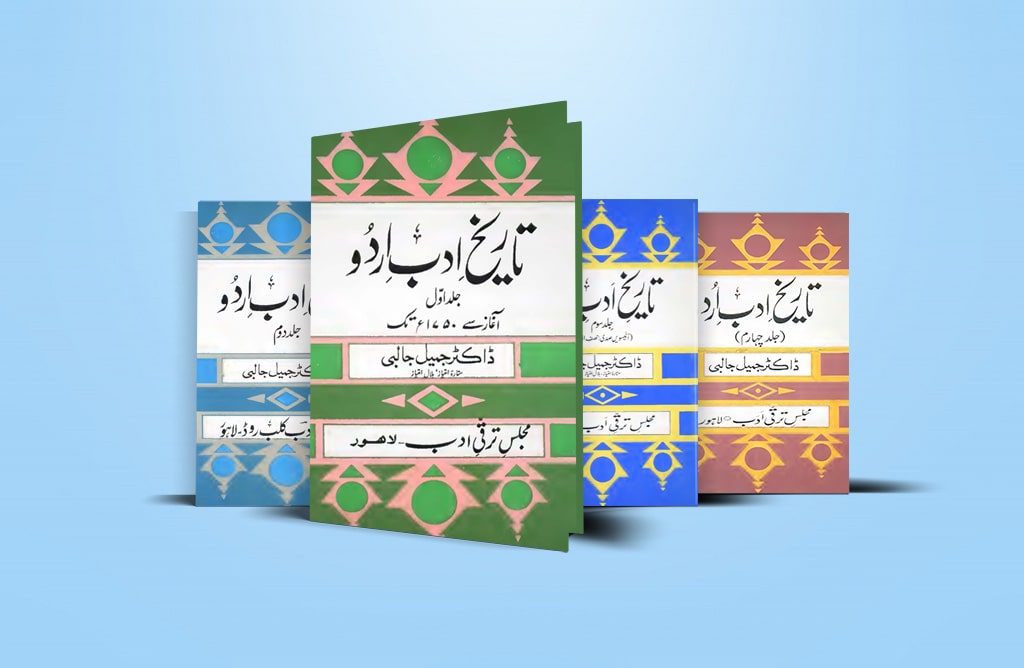
Garuda Puranam Malayalam Book
: Usually available in high-quality Hardcover for longevity.
Suggested Further Actions (if you wish)
In Kerala, reading the Garuda Puranam is a standard practice during the 13-day mourning period following a death. Garuda Purana Recitation - vedic folks garuda puranam malayalam book
In a pre-modern Kerala with no forensic science or psychiatry, this book served as the ultimate deterrent against crime and social deviance. It was the moral police of the illam (Namboodiri house) and the tharavadu . Grandmothers would not say, "Don't steal." They would say, "Chitragupta is writing it down. In hell, you will swallow hot iron."
The Garuda Purana is not a harbinger of death. This superstition arose because the book is read during death rituals. In a society with high oral traditions, seeing the book often coincided with mourning. However, leading Sanskrit and Malayalam scholars agree that reading the book’s chapters on Bhakti (devotion) and Vishnu Sahasranama (thousand names of Vishnu) is highly auspicious. : Usually available in high-quality Hardcover for longevity
Not just a book. A bridge between the living and the ancestors.
Conclusion The Malayalam Garuda Puranam is both a practical ritual manual and a moral-theological guide that has shaped Kerala’s responses to death, duty, and devotion. Approached critically and compassionately, it remains a living resource for ritual life and ethical reflection—one best engaged through informed editions, sensitive ritual practice, and contextualized study. It was the moral police of the illam
These books offer a condensed narrative focusing heavily on the Pretakalpa (afterlife) section. Written in simple, contemporary Malayalam, these are perfect for general reading during mourning periods.
Ravi placed the lamp on the temple’s threshold, its flame now steady as a heartbeat. He opened the Garuda Puranam and began, but not with scripture alone. He spoke of Leela’s release, the boatman’s recovered watch, the child’s laughter, and the small kindnesses that stitched the village together. He told how the lamp had bent toward grief and joy alike, as if compelled to learn the difference. He read the Puranam’s lines about the soul’s path, about duties unpaid and the ways one could atone. Then he closed the book and told the people plainly: "This book shows the map, but the path is walked with hands."