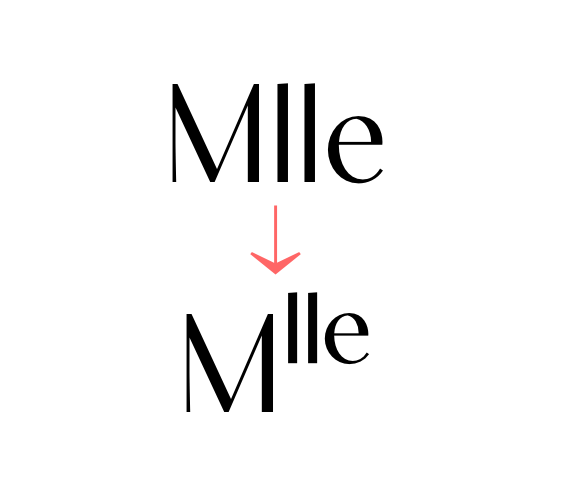
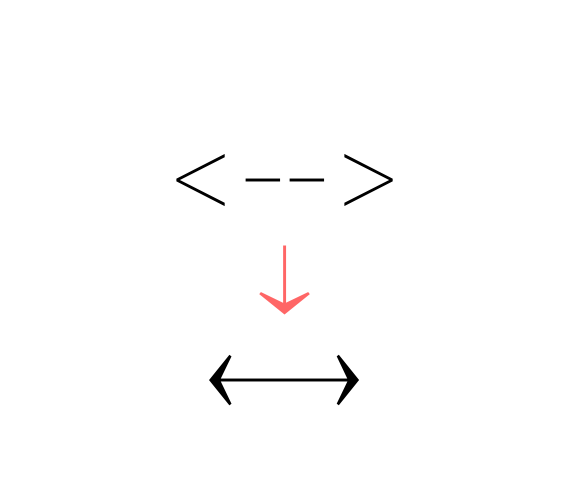
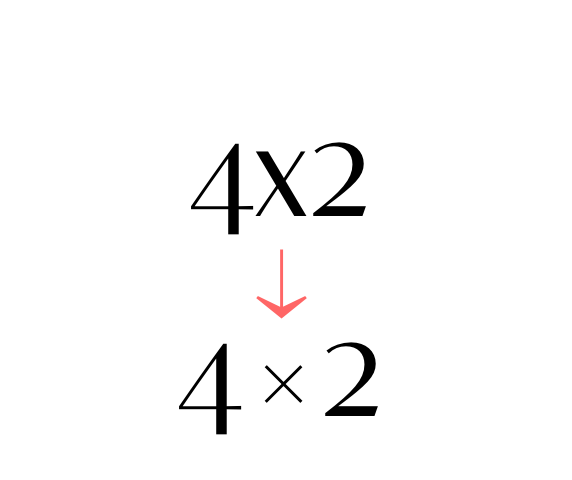
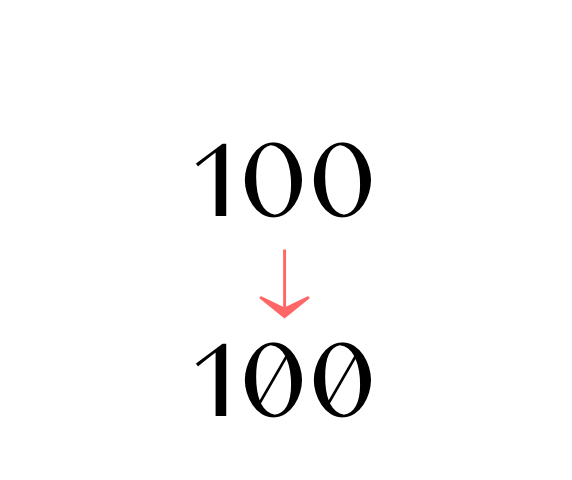
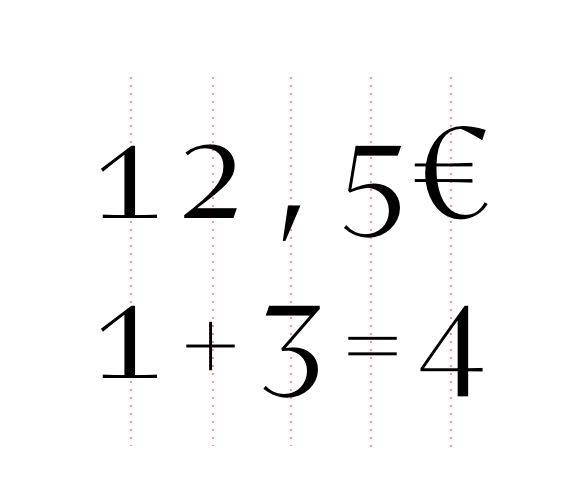
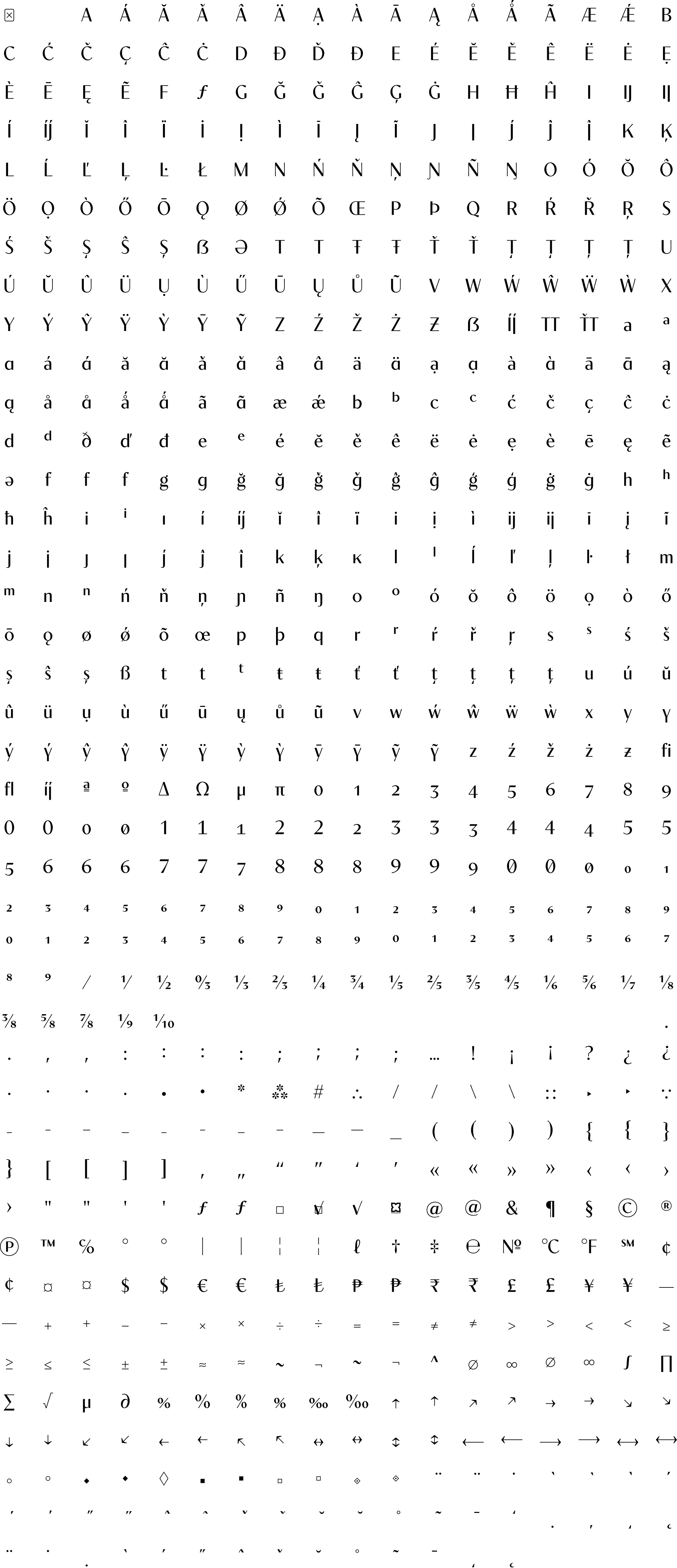
Contralto is a high contrast sans-serif font family, crafted to look elegant but contemporary thanks to soft humanist shapes mixed with sharp geometric details.
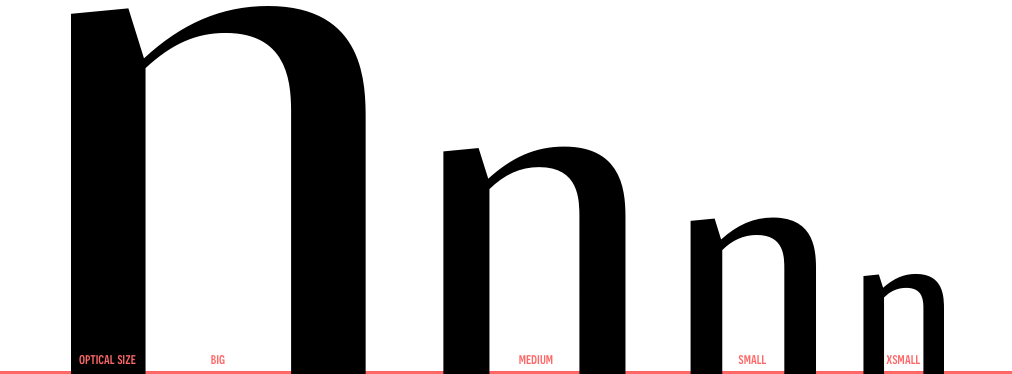
Contralto comes in 40 styles: 5 weights × italics × 4 optical sizes, to help optimising contrast and readability. However, you can also use them to fine tune the mood of your graphical composition.
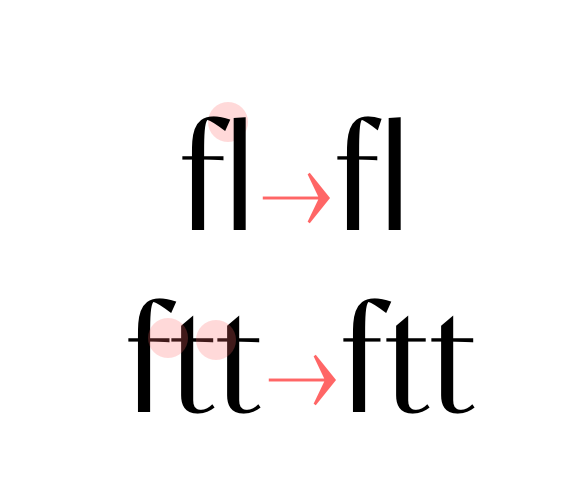
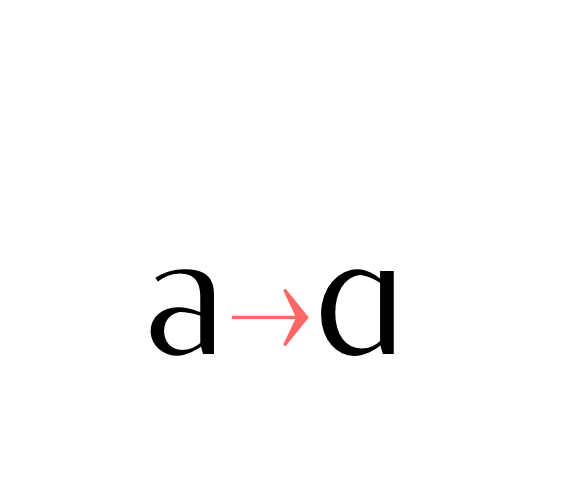
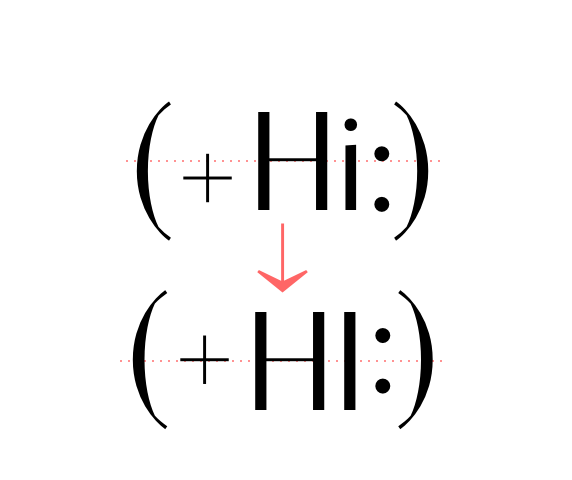
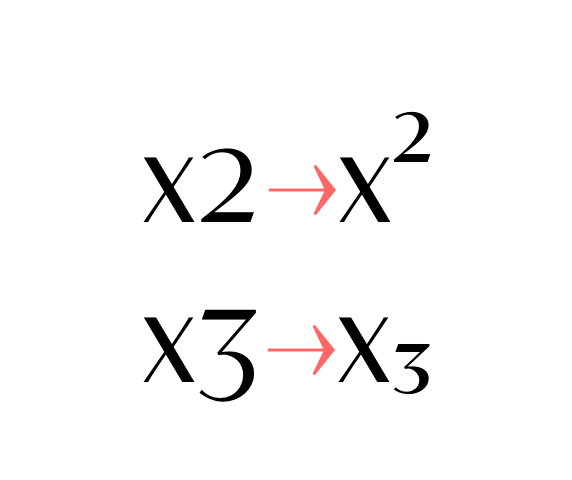
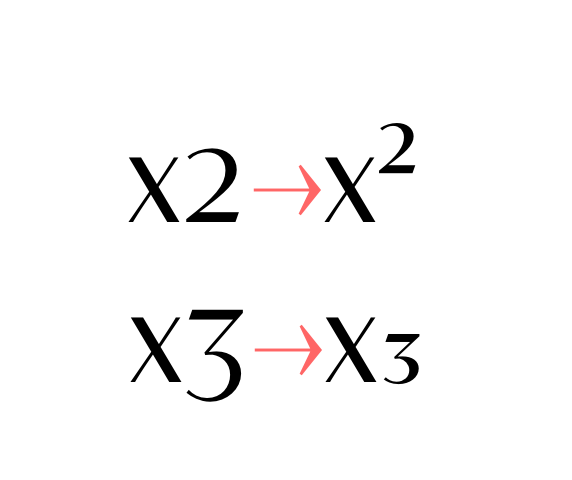
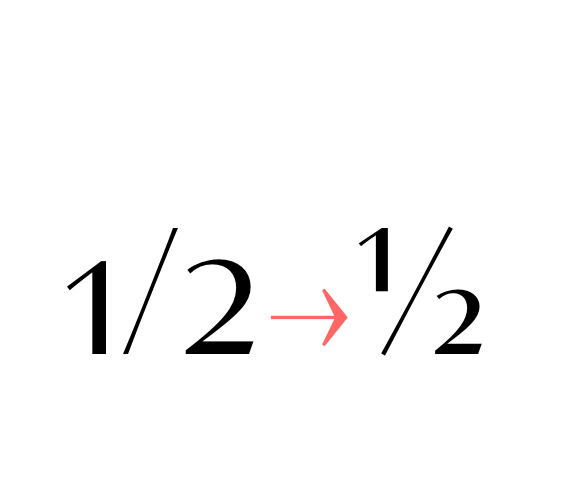
Contralto’s generous character set and Opentype features let you meet the most demanding layout needs and lets your creativity fly!
Download the Contralto Specimen --> 
Inurl Axis Cgi Mjpg Motion Jpeg Better File
An exposed camera stream represents a significant security failure that goes beyond simple privacy violations.
⚠️ Accessing cameras you do not own or lack explicit permission to test violates laws in most jurisdictions (CFAA, GDPR, Computer Misuse Act). Only use these techniques on your own devices or with written authorization.
The inurl axis cgi mjpg motion jpeg better method represents a powerful approach to surveillance, offering high-quality video, flexibility, and ease of use. By understanding the benefits and technical aspects of MJPG streams, particularly with Axis cameras, organizations and individuals can enhance their surveillance capabilities. Whether for security, monitoring, or analysis, the ability to access and utilize MJPG streams efficiently can make a significant difference in the effectiveness of surveillance systems.
The components of the search query target specific vulnerabilities and configurations in older Axis network cameras: inurl axis cgi mjpg motion jpeg better
[Frame 1: JPEG] ---> [Frame 2: JPEG] ---> [Frame 3: JPEG] ---> Live Stream
If you are currently configuring a surveillance network, would you like assistance with to protect your streams, or do you need help calculating the bandwidth requirements for an MJPEG versus an H.264 deployment? Share public link
Never expose an IP camera directly to the public internet using port forwarding. Instead, place the cameras behind a secure firewall and require remote users to connect via a Virtual Private Network (VPN) to access the video feeds. An exposed camera stream represents a significant security
This article explores why using the axis-cgi/mjpg/video.cgi API call to fetch Motion JPEG (MJPEG) streams is superior in certain scenarios, how it works, and when you should choose it over compressed video formats. What is inurl axis cgi mjpg motion jpeg ?
Why Axis CGI MJPG (Motion JPEG) is Still Better for Specific Surveillance Needs
If you are a network engineer, a surveillance system administrator, a cybersecurity researcher, or an OSINT (Open Source Intelligence) enthusiast, you have likely stumbled upon a peculiar and powerful search query: . The inurl axis cgi mjpg motion jpeg better
An exposed web interface provides an entry point for malicious actors. If the camera uses default credentials (such as root/pass ), attackers can gain administrative access to the device. Once compromised, the camera's computational power can be conscripted into botnets to launch Distributed Denial of Service (DDoS) attacks. Network Pivoting
Some publicly indexed pages include links like: /axis-cgi/mjpg/video.cgi?resolution=1280x720&fps=25&compression=20