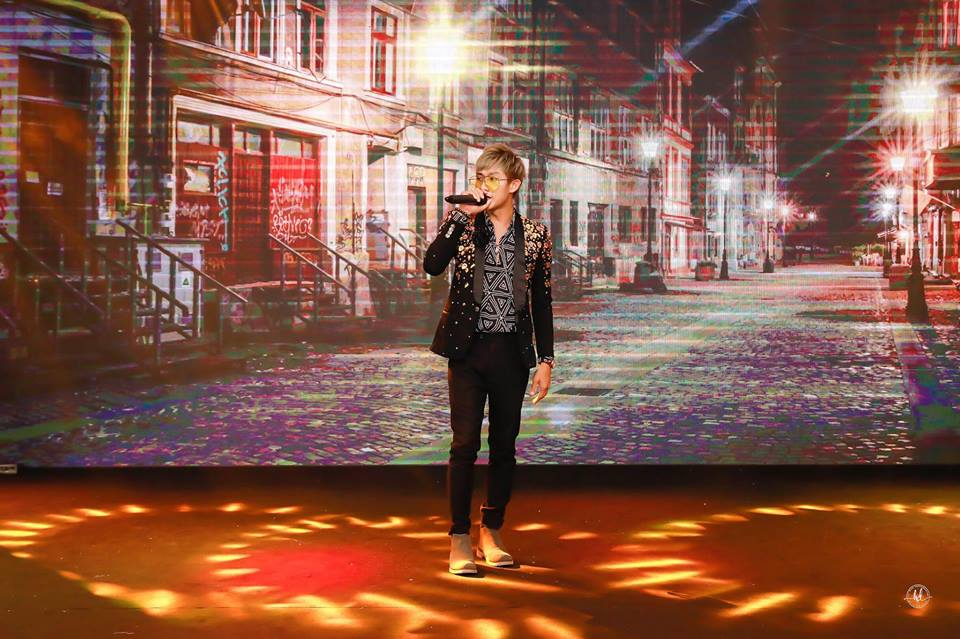
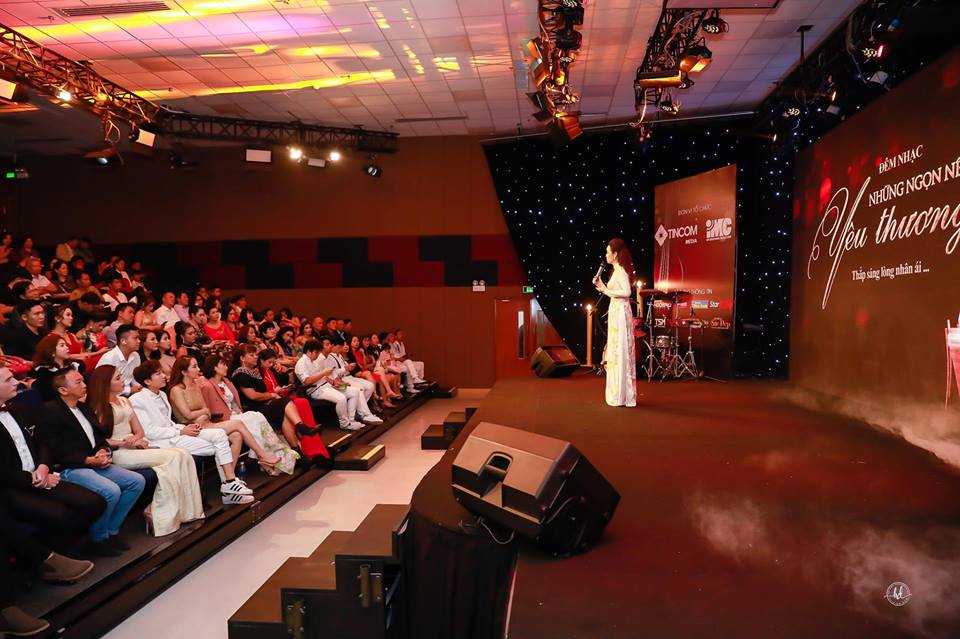
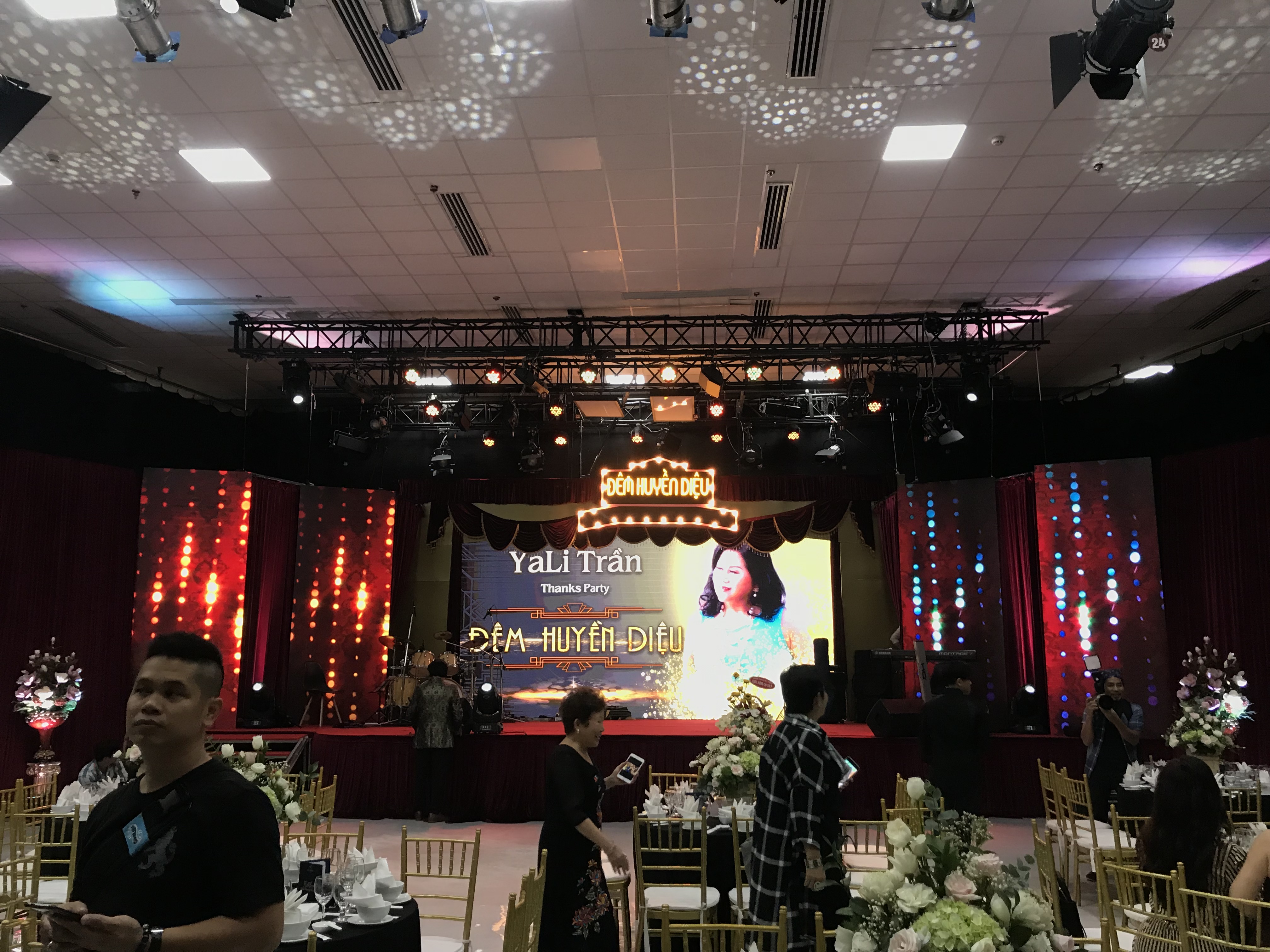
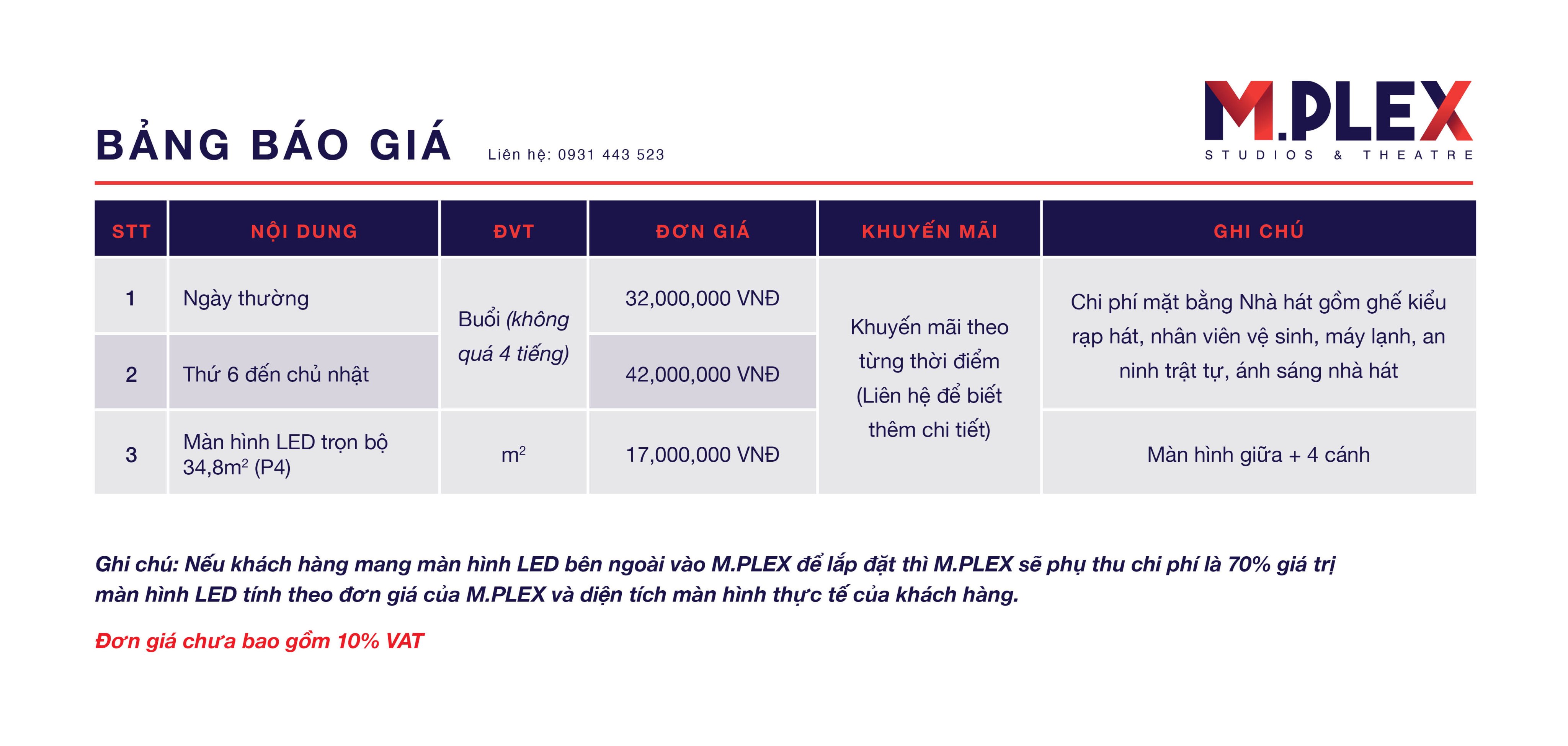
Bảng báo giá
Access to knowledgeable, respectful, and affordable gender-affirming care remains a major barrier. Transgender individuals experience higher rates of discrimination from medical providers, leading to delayed or avoided treatment.
However, the integration has not always been seamless. Historically, some segments of the gay and lesbian community attempted to distance themselves from trans people, viewing them as "too radical" or a liability to the fight for mainstream acceptance (e.g., the controversial "respectability politics" of the 1990s that excluded transgender people from some gay rights legislation). This tension has largely faded in younger generations, but it left scars.
True allyship from the LGBTQ community to the transgender community requires action: shemales in lingerie
The modern LGBTQ+ rights movement was largely built on the courage of transgender and gender-nonconforming individuals. For decades, marginalized communities found strength in numbers, standing together against systemic oppression.
Before the famous 1969 riots, gender-nonconforming people led early resistances, such as the 1959 Cooper Do-nuts riot in Los Angeles and the 1966 Compton’s Cafeteria riot in San Francisco. Historically, some segments of the gay and lesbian
Over the last decade, representation has evolved from trans characters being used as punchlines or tragic figures to complex, nuanced portrayals. Shows like Pose highlighted the history of the trans community using trans actors and creators, while figures like Laverne Cox and Elliot Page have brought trans visibility to Hollywood's highest levels. Internal Dynamics and Ongoing Tensions
The fashion industry has seen an increase in visibility for transgender models. This includes participation in high-fashion editorials and runway shows that focus on diverse body representation. It requires defending trans youth
In recent years, there has been a growing trend towards body positivity and inclusivity in the lingerie industry. Many brands now offer a wider range of sizes, styles, and designs to cater to diverse tastes and preferences.
Transgender women of color, particularly Black trans women, experience disproportionately high rates of violence, housing insecurity, and employment discrimination. Moving Toward True Inclusion
Despite the shared history, the transgender experience is fundamentally different from the gay or lesbian experience. This difference is the source of both the community's richness and its internal conflicts.
True allyship within and outside the queer community means moving beyond passive acceptance. It requires defending trans youth, supporting trans-led grassroots organizations, and recognizing that the rigid gender policing used to target transgender individuals is the exact same mechanism used to suppress all queer expressions.
Access to knowledgeable, respectful, and affordable gender-affirming care remains a major barrier. Transgender individuals experience higher rates of discrimination from medical providers, leading to delayed or avoided treatment.
However, the integration has not always been seamless. Historically, some segments of the gay and lesbian community attempted to distance themselves from trans people, viewing them as "too radical" or a liability to the fight for mainstream acceptance (e.g., the controversial "respectability politics" of the 1990s that excluded transgender people from some gay rights legislation). This tension has largely faded in younger generations, but it left scars.
True allyship from the LGBTQ community to the transgender community requires action:
The modern LGBTQ+ rights movement was largely built on the courage of transgender and gender-nonconforming individuals. For decades, marginalized communities found strength in numbers, standing together against systemic oppression.
Before the famous 1969 riots, gender-nonconforming people led early resistances, such as the 1959 Cooper Do-nuts riot in Los Angeles and the 1966 Compton’s Cafeteria riot in San Francisco.
Over the last decade, representation has evolved from trans characters being used as punchlines or tragic figures to complex, nuanced portrayals. Shows like Pose highlighted the history of the trans community using trans actors and creators, while figures like Laverne Cox and Elliot Page have brought trans visibility to Hollywood's highest levels. Internal Dynamics and Ongoing Tensions
The fashion industry has seen an increase in visibility for transgender models. This includes participation in high-fashion editorials and runway shows that focus on diverse body representation.
In recent years, there has been a growing trend towards body positivity and inclusivity in the lingerie industry. Many brands now offer a wider range of sizes, styles, and designs to cater to diverse tastes and preferences.
Transgender women of color, particularly Black trans women, experience disproportionately high rates of violence, housing insecurity, and employment discrimination. Moving Toward True Inclusion
Despite the shared history, the transgender experience is fundamentally different from the gay or lesbian experience. This difference is the source of both the community's richness and its internal conflicts.
True allyship within and outside the queer community means moving beyond passive acceptance. It requires defending trans youth, supporting trans-led grassroots organizations, and recognizing that the rigid gender policing used to target transgender individuals is the exact same mechanism used to suppress all queer expressions.
62 Trần Quang Khải, Phường Tân Định, Quận 1, TP.HCM.