
Spanking Lupus Link [upd] < VALIDATED >
The easy way to connect to your drone using your iOS Device
The easy way to connect to your drone using your iOS Device
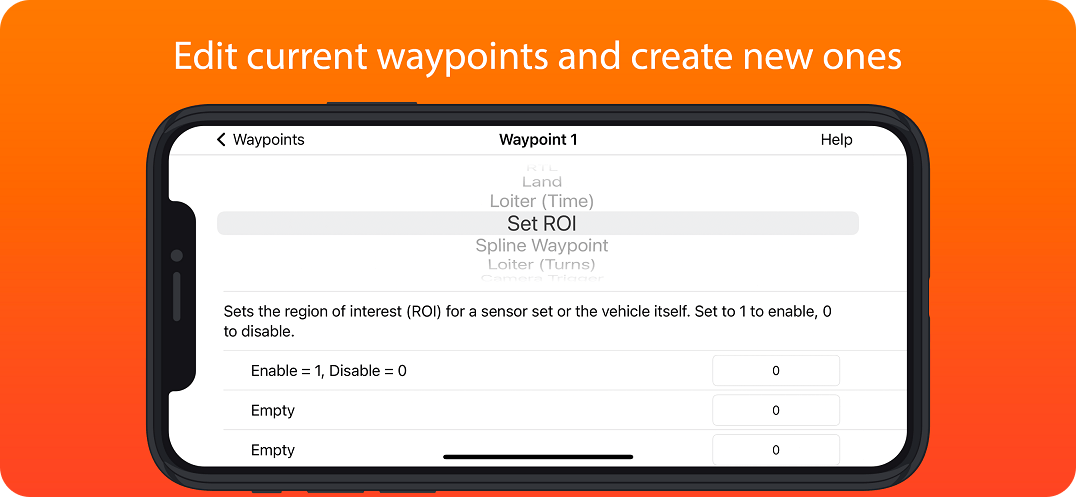
Plan out your mission easily on your device
Edit and set your parameters without having to use a laptop
Log your flights easily, remembering your drones performance
You dont need to look at your screen to know if your battery is low or your mode has changed.



The spanking lupus link is not exclusively biological; it is also heavily mediated by psychology and behavior. The emotional fallout of corporal punishment shapes how an individual manages stress throughout their adult life, directly impacting the severity and progression of lupus. Adult Stress Management and Hyper-Reactivity
While spanking does not directly "cause" lupus, the biological mechanisms triggered by physical punishment—specifically chronic stress and physical trauma—can act as catalysts for autoimmune flares in genetically predisposed individuals.
Chronic stress alters the hypothalamic-pituitary-adrenal (HPA) axis. This system regulates the body's response to stress.
Future studies on the spanking lupus link should prioritize the following areas: spanking lupus link
Another angle: maybe a fictional medical study in the story suggests a link between physical trauma (like spankings) and the onset of lupus. The story could follow a researcher uncovering this connection or someone trying to debunk it.
While lupus is complex and multifactorial, the "spanking-lupus link" highlights that severe, chronic corporal punishment should be recognized not just as a disciplinary method, but as a potential, significant contributor to long-term autoimmune and chronic disease risk.
This study on Wiley Online Library assessed ACE levels in SLE patients and found that childhood trauma is linked to worse patient-reported disease activity and depression. The spanking lupus link is not exclusively biological;
The link between childhood adversity and adult-onset illness was famously brought to light by the Adverse Childhood Experiences (ACE) study conducted by the Centers for Disease Control and Prevention (CDC) and Kaiser Permanente.
Disclaimer: This article is for informational purposes only and does not constitute medical advice. Always consult a healthcare professional for diagnosis and treatment. Share public link
While many parents argue that spanking is a form of discipline, recent neuroscience research, such as studies led by Harvard researchers, indicates that spanking changes the brain in ways similar to more severe forms of physical abuse. The story could follow a researcher uncovering this
: Parallel findings from the American College of Rheumatology (ACR) tracked a cohort of African American women, a demographic disproportionately impacted by severe lupus. The data indicated that frequent, severe physical punishment—such as hitting, striking, or severe spanking—was strongly correlated with heightened adult-onset SLE incidence.
According to a 2021 report , researchers have found that early trauma, particularly recurring stress, is a strong predictor of adult chronic health problems, including Lupus.
However, when spanking is used frequently and chronically, this stress response system can become dysregulated. Research has shown that infants who received frequent corporal punishment displayed . The repetitive activation of the stress response keeps the body in a constant state of high alert, leading to chronic, low-grade inflammation. This is the critical link: inflammation is the body's natural defense against injury and infection, but when it becomes chronic, it is a primary driver of numerous diseases, including autoimmune conditions . This chronic stress "may alter the functioning of the...HPA axis in ways that, if continued, may foster risk for immune disorders".