Emerging in Harlem during the late 1960s and 1970s, the ballroom community was created by Black and Latine queer people who faced racism within established drag pageants. Led by trans icons like Crystal LaBeija, ballroom evolved into a highly structured subculture where participants "walked" in various categories to compete for trophies. The House System
A common point of confusion within broader culture is the difference between sexual orientation and gender identity.
For decades after Stonewall, the mainstream gay rights movement (often led by affluent white gay men and lesbians) faced a strategic choice: to win acceptance, they needed to appear “normal.” This meant distancing themselves from the most visible and “radical” members. And in the 1970s-1990s, transgender people, especially non-operative or non-passing trans women, were seen as an embarrassment.
What is the or publication platform for this piece? truly shemale tube
This describes an individual's physical, romantic, and emotional attraction to other people (e.g., lesbian, gay, bisexual, asexual).
To understand the intersection of the trans community and LGBTQ+ culture, a fundamental distinction must be made between who a person is and who they love:
: From the Harlem Renaissance of the 1920s to the modern ballroom scene created by Black and Brown trans and queer people, transgender culture has consistently redefined artistic expression and pride. Intersectionality: Layered Identities Emerging in Harlem during the late 1960s and
Originating in Harlem in the 1960s, Ballroom was a sanctuary for Black and Latinx LGBTQ youth. It was here that the categories of "Butch Queen" (gay men) and "Transgender" began to blur and define modern drag and trans performance. The documentary Paris Is Burning immortalized this world, introducing mainstream culture to voguing, "walking realness," and the house system. These cultural artifacts—now pop culture staples thanks to shows like Pose and RuPaul’s Drag Race —were created by a coalition of gay and trans people of color.
Following Stonewall, Rivera and Johnson founded Street Transvestite Action Revolutionaries (STAR) in 1970. STAR provided housing, food, and community to homeless queer youth and trans women in New York. This established a blueprint for mutual aid that remains a cornerstone of LGBTQ+ survival and culture today. Language, Aesthetics, and House Culture
, this is a request for a long article on "transgender community and LGBTQ culture." The user wants a substantial piece, so I need to plan a comprehensive, well-structured article. It's not just a definition; it needs depth, history, and cultural analysis. For decades after Stonewall, the mainstream gay rights
The transgender community and LGBTQ+ culture are deeply intertwined, yet each possesses its own distinct history, struggles, and triumphs. While the broader LGBTQ+ acronym brings together diverse sexual orientations and gender identities under a shared banner of equality, the transgender experience offers a unique perspective on gender variance that has fundamentally shaped modern society. Understanding the intersection of the trans community and LGBTQ+ culture requires exploring their shared history, the distinct challenges trans individuals face, and the vibrant cultural contributions they continue to make. A Shared History of Resistance and Resilience
This history reveals a painful truth: the transgender community has always been the vanguard of LGBTQ culture, yet they have often been pushed to the margins by LGB movements seeking assimilation. The fight for "same-sex marriage" in the 1990s and 2000s, for example, did not inherently help trans people, who often faced discrimination in housing and healthcare that had nothing to do with marriage.
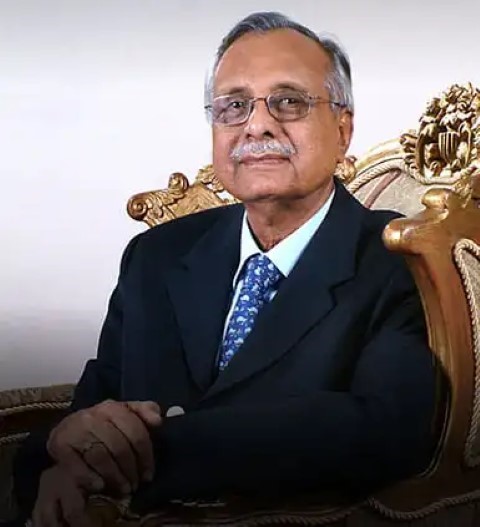
Finolex Industries Limited (FIL) stands tall as India's most trusted pipe manufacturer with a remarkable 45-year legacy. Late Shri Pralhad P. Chhabria, a visionary, laid the foundation of Finolex Group in 1958. His legacy lives on, as we cherish the values instilled by him, nurturing his spirit within us.
From sourcing quality materials to manufacturing, storage, transport, sales, marketing, and customer engagement, our strategic investments cover the entire value chain. Our ISO 9001:2015 certifications reflect our commitment to excellence.
We take immense pride in earning the trust of farmers, plumbers, homeowners, partners, associates, and shareholders. Our unwavering dedication to customer satisfaction sets us apart, driving us to uphold the highest standards at every step.
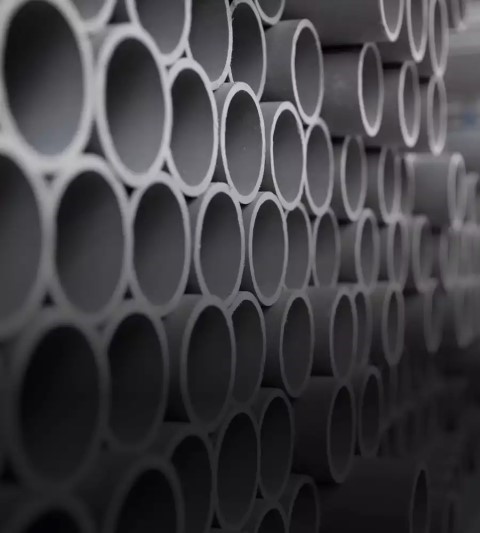
Unleash the power of seamless plumbing and impeccable sanitation with our top-quality pipes and fittings. Our pipes are built to last and ensure a leak-free and hygienic environment.
View Products
Discover our range of PVC-U pressure pipes and fittings tailored for diverse agricultural, irrigation, swimming pool, and domestic water supply needs. Nurture your crops with precision and efficiency using our reliable agriculture pipes and fittings.
View ProductsEmerging in Harlem during the late 1960s and 1970s, the ballroom community was created by Black and Latine queer people who faced racism within established drag pageants. Led by trans icons like Crystal LaBeija, ballroom evolved into a highly structured subculture where participants "walked" in various categories to compete for trophies. The House System
A common point of confusion within broader culture is the difference between sexual orientation and gender identity.
For decades after Stonewall, the mainstream gay rights movement (often led by affluent white gay men and lesbians) faced a strategic choice: to win acceptance, they needed to appear “normal.” This meant distancing themselves from the most visible and “radical” members. And in the 1970s-1990s, transgender people, especially non-operative or non-passing trans women, were seen as an embarrassment.
What is the or publication platform for this piece?
This describes an individual's physical, romantic, and emotional attraction to other people (e.g., lesbian, gay, bisexual, asexual).
To understand the intersection of the trans community and LGBTQ+ culture, a fundamental distinction must be made between who a person is and who they love:
: From the Harlem Renaissance of the 1920s to the modern ballroom scene created by Black and Brown trans and queer people, transgender culture has consistently redefined artistic expression and pride. Intersectionality: Layered Identities
Originating in Harlem in the 1960s, Ballroom was a sanctuary for Black and Latinx LGBTQ youth. It was here that the categories of "Butch Queen" (gay men) and "Transgender" began to blur and define modern drag and trans performance. The documentary Paris Is Burning immortalized this world, introducing mainstream culture to voguing, "walking realness," and the house system. These cultural artifacts—now pop culture staples thanks to shows like Pose and RuPaul’s Drag Race —were created by a coalition of gay and trans people of color.
Following Stonewall, Rivera and Johnson founded Street Transvestite Action Revolutionaries (STAR) in 1970. STAR provided housing, food, and community to homeless queer youth and trans women in New York. This established a blueprint for mutual aid that remains a cornerstone of LGBTQ+ survival and culture today. Language, Aesthetics, and House Culture
, this is a request for a long article on "transgender community and LGBTQ culture." The user wants a substantial piece, so I need to plan a comprehensive, well-structured article. It's not just a definition; it needs depth, history, and cultural analysis.
The transgender community and LGBTQ+ culture are deeply intertwined, yet each possesses its own distinct history, struggles, and triumphs. While the broader LGBTQ+ acronym brings together diverse sexual orientations and gender identities under a shared banner of equality, the transgender experience offers a unique perspective on gender variance that has fundamentally shaped modern society. Understanding the intersection of the trans community and LGBTQ+ culture requires exploring their shared history, the distinct challenges trans individuals face, and the vibrant cultural contributions they continue to make. A Shared History of Resistance and Resilience
This history reveals a painful truth: the transgender community has always been the vanguard of LGBTQ culture, yet they have often been pushed to the margins by LGB movements seeking assimilation. The fight for "same-sex marriage" in the 1990s and 2000s, for example, did not inherently help trans people, who often faced discrimination in housing and healthcare that had nothing to do with marriage.

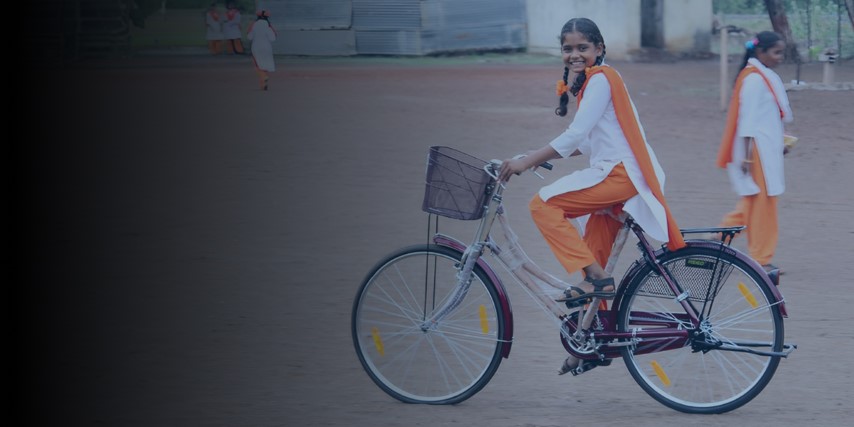
As a part of our unwavering commitment to building a better world, we have collaborated with the Mukul Madhav Foundation. For over two decades, their dedication to education, healthcare, social welfare, and skill development has empowered several communities in India. By fulfilling CSR mandates, we align ourselves with UN sustainability goals, shaping a brighter future together.
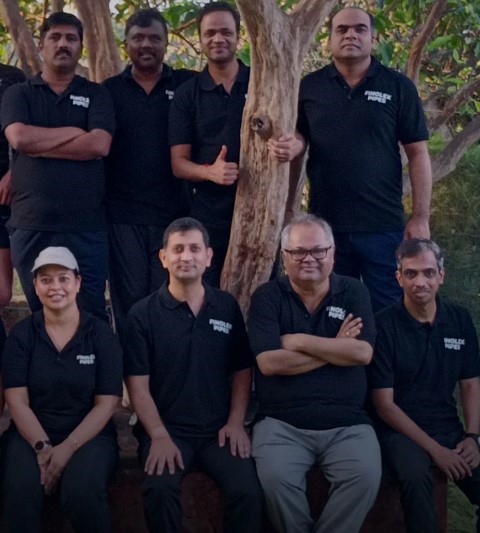
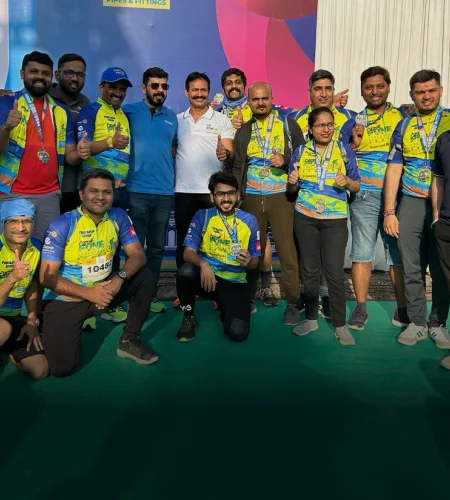
Become a part of the Finolex family and embrace a culture that values growth, teamwork, and groundbreaking ideas. Experience the joy of contributing to a trusted brand known for its unwavering commitment to excellence.
As we mark over 4 decades of consistent growth and success, let’s embark on a new chapter of innovation and growth together.