Wsgiserver 0.2 Cpython 3.10.4 Exploit [best] ⚡ < NEWEST >
MaxBulk Mailer
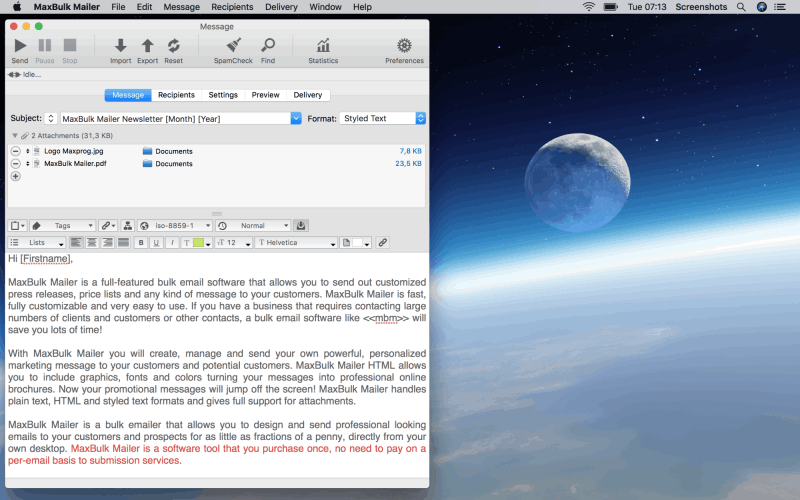
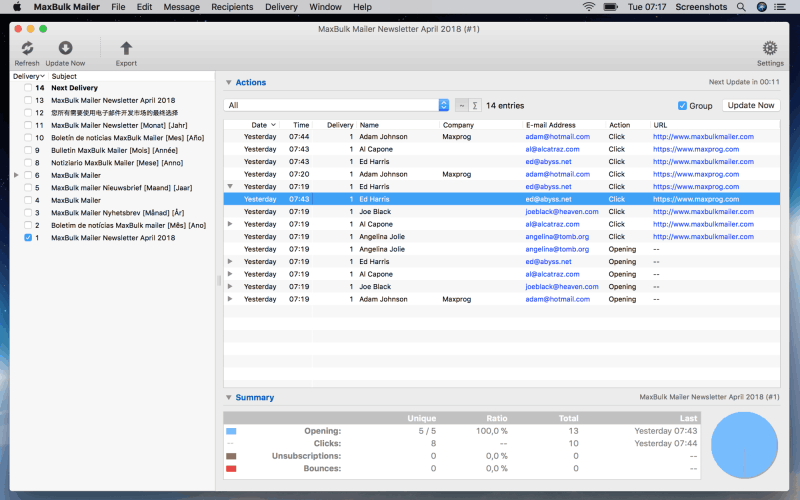
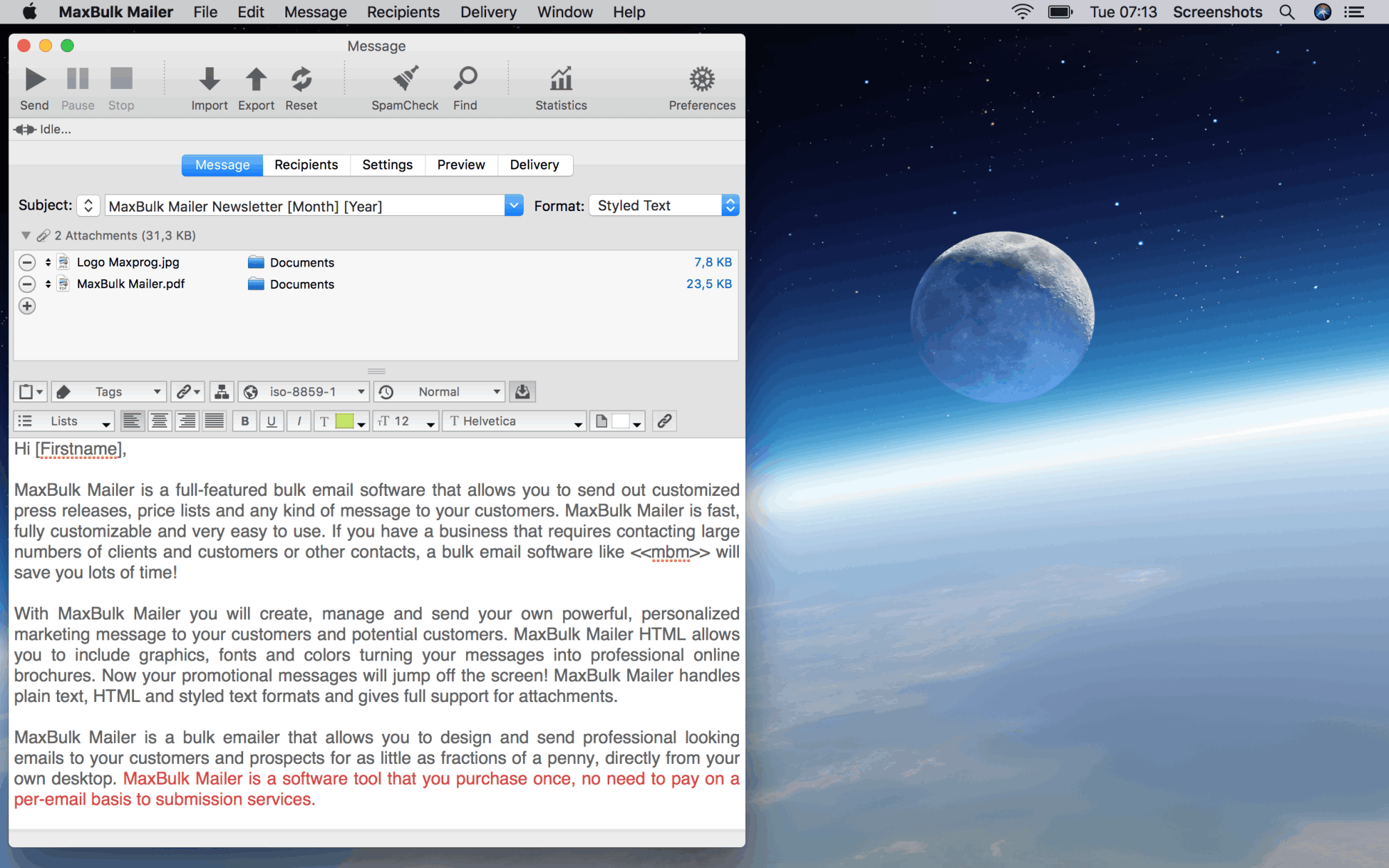
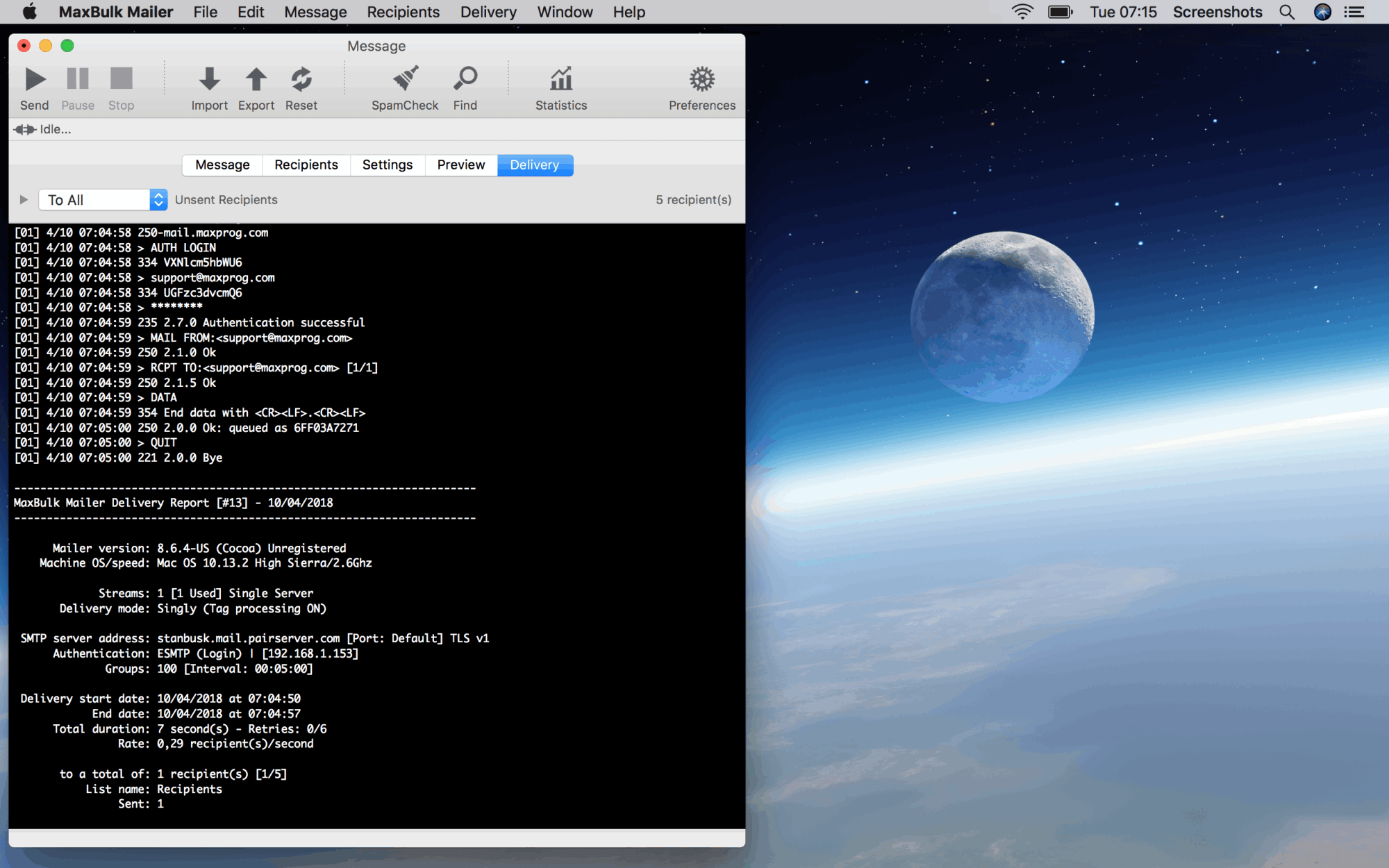
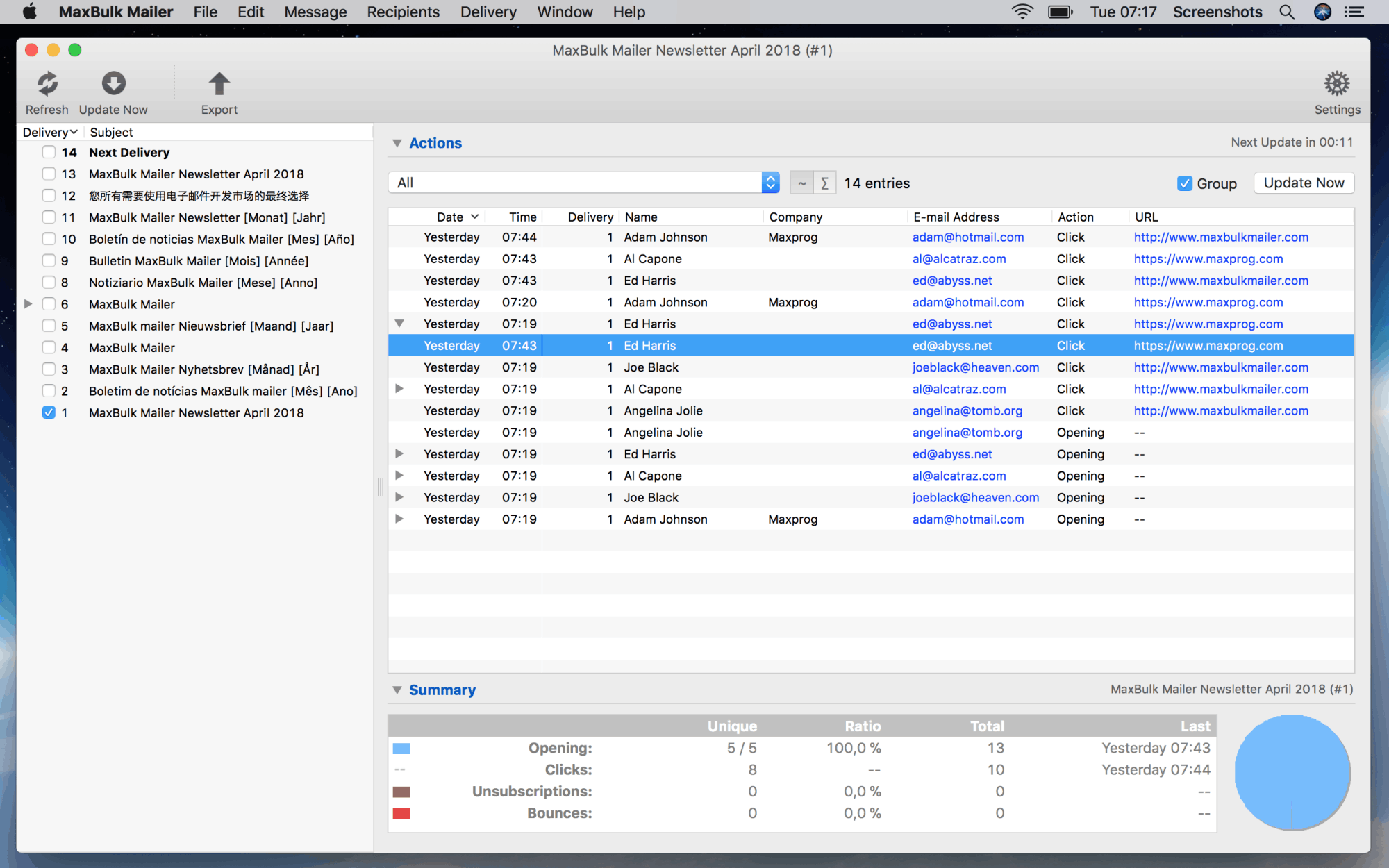
If you have a business that requires contacting large numbers of clients and customers or other contacts, a bulk email software like MaxBulk Mailer will save you lots of time!
If you have a business that requires contacting large numbers of clients and customers or other contacts, a bulk email software like MaxBulk Mailer will save you lots of time!
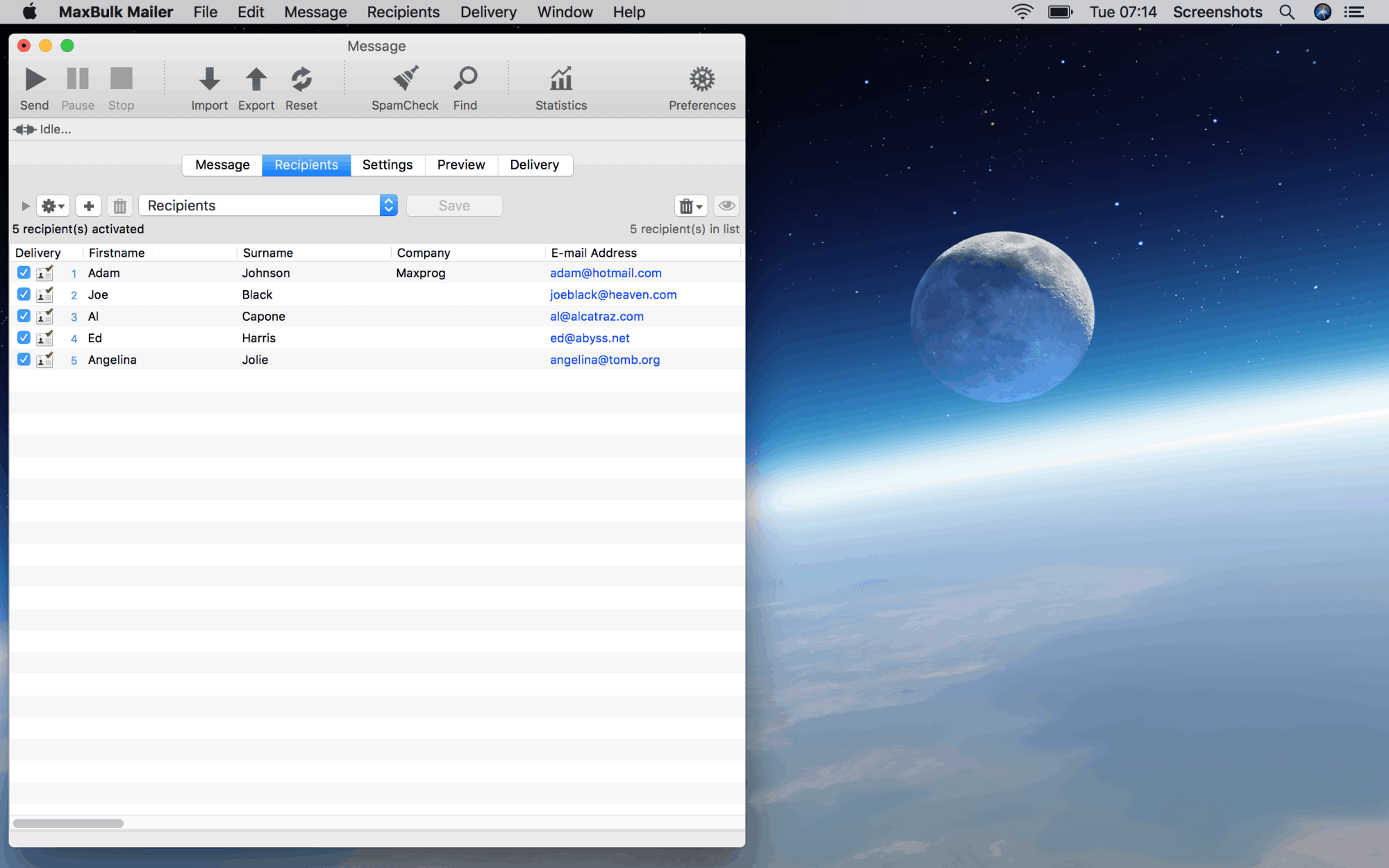
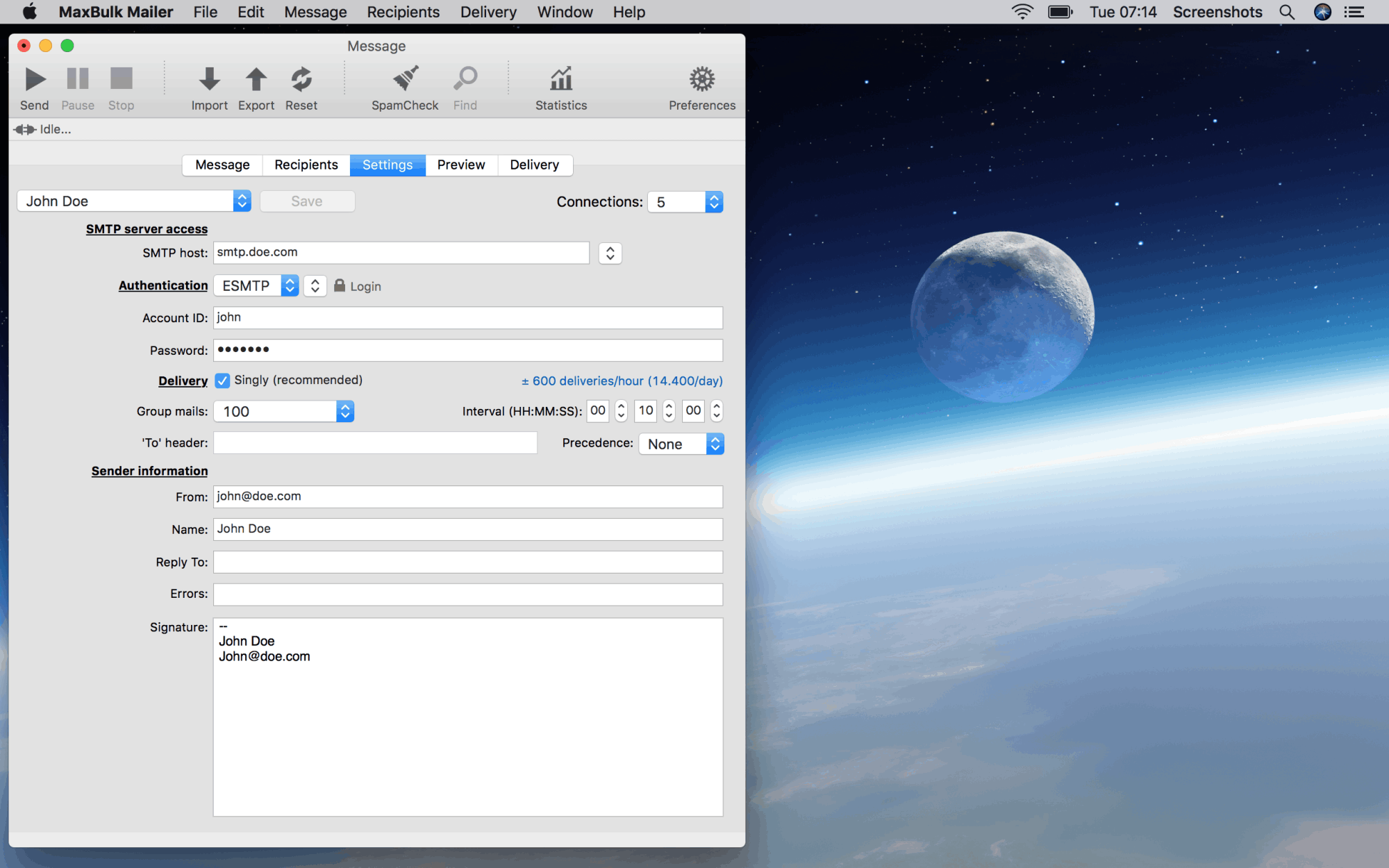
Here is a breakthrough tool that will allow you to increase your profits, strengthen your customer service and send your messages to new markets. You'll be able to reach everyone in your database without worrying about integration or compatibility issues.
The exploit in question targets the interaction between WSGiServer 0.2 and CPython 3.10.4. Essentially, the vulnerability allows an attacker to execute arbitrary code on the server. This can lead to unauthorized access, data breaches, and other malicious activities.
A classic malicious pickle payload looks like: wsgiserver 0.2 cpython 3.10.4 exploit
import pickle import os
The "wsgiserver 0.2 CPython 3.10.4" banner is a clear sign of an insecure configuration, primarily because it indicates the use of the development-only wsgiref server. The wsgiref module is known to have a CRLF injection vulnerability, and the outdated CPython version may contain other unpatched issues. By understanding the risks and implementing the remediation steps above—starting with migrating to a production-grade WSGI server—you can significantly improve your application's security posture. Remember that in web application security, the information your server reveals is often the first step an attacker uses to compromise your systems. The exploit in question targets the interaction between
However, wsgiserver is a lightweight, often single-file or minimal implementation used primarily for development or embedded devices. It lacks the security hardening of production-grade servers like Gunicorn or uWSGI. The combination of an outdated server implementation (v0.2) and a specific Python runtime presents several theoretical attack vectors, primarily involving and Denial of Service (DoS) . A classic malicious pickle payload looks like: import
Analyzing the Security Landscape of wsgiserver 0.2 on CPython 3.10.4
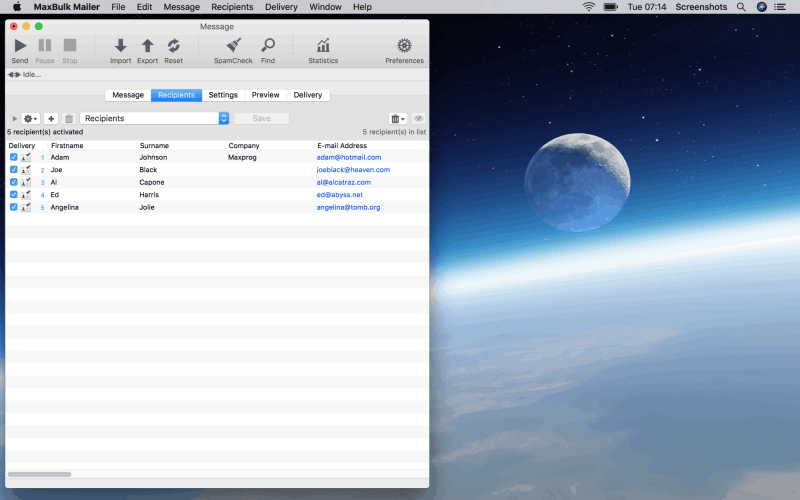
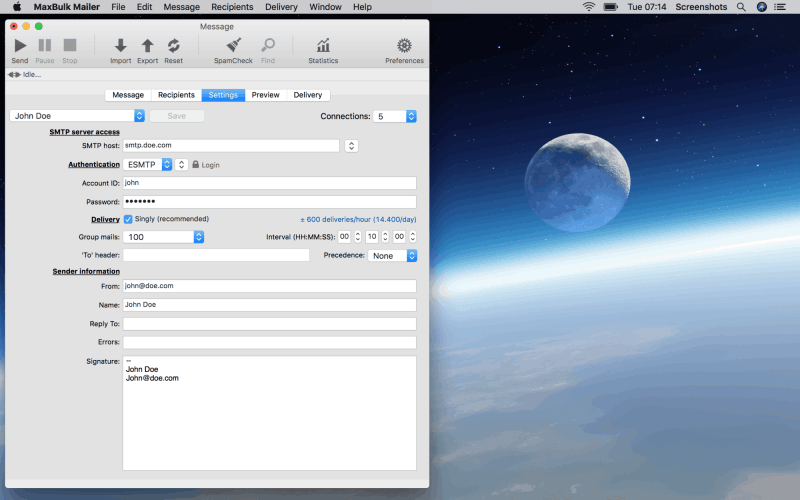
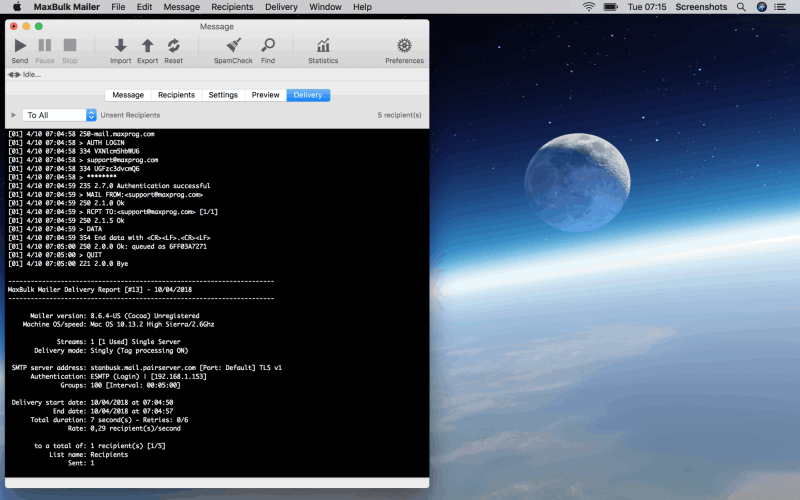
Anybody running a mailing list over the Internet will find MaxBulk Mailer a very helpful tool to get its e-mails properly delivered. Anyone can utilize its full lists of contact information with MaxBulk Mailer being able to reach everyone in a database without worrying about integration or compatibility issues.

The exploit in question targets the interaction between WSGiServer 0.2 and CPython 3.10.4. Essentially, the vulnerability allows an attacker to execute arbitrary code on the server. This can lead to unauthorized access, data breaches, and other malicious activities.
A classic malicious pickle payload looks like:
import pickle import os
The "wsgiserver 0.2 CPython 3.10.4" banner is a clear sign of an insecure configuration, primarily because it indicates the use of the development-only wsgiref server. The wsgiref module is known to have a CRLF injection vulnerability, and the outdated CPython version may contain other unpatched issues. By understanding the risks and implementing the remediation steps above—starting with migrating to a production-grade WSGI server—you can significantly improve your application's security posture. Remember that in web application security, the information your server reveals is often the first step an attacker uses to compromise your systems.
However, wsgiserver is a lightweight, often single-file or minimal implementation used primarily for development or embedded devices. It lacks the security hardening of production-grade servers like Gunicorn or uWSGI. The combination of an outdated server implementation (v0.2) and a specific Python runtime presents several theoretical attack vectors, primarily involving and Denial of Service (DoS) .
Analyzing the Security Landscape of wsgiserver 0.2 on CPython 3.10.4

eMail extractor is a tool for extracting e-mail addresses from all kind of sources like your local files, web pages or the clipboard in order to create highly targeted and legitimate bulk e-mail lists.

eMail Verifier is a tool for verifying e-mail addresses. It can verify both single e-mail addresses and lists allowing you to determine 70-80% of "dead" e-mail addresses.

eMail Bounce Handler is a bounce e-mail filtering and handling tool that recognizes bounce emails, electronic mail that is returned to the sender because it cannot be delivered for some reason.

Maxprog, LLC
7901 4th St N STE 8230
St. Petersburg, Florida 33702
Ask your questions here
Private issues here
Bulk Email Blog